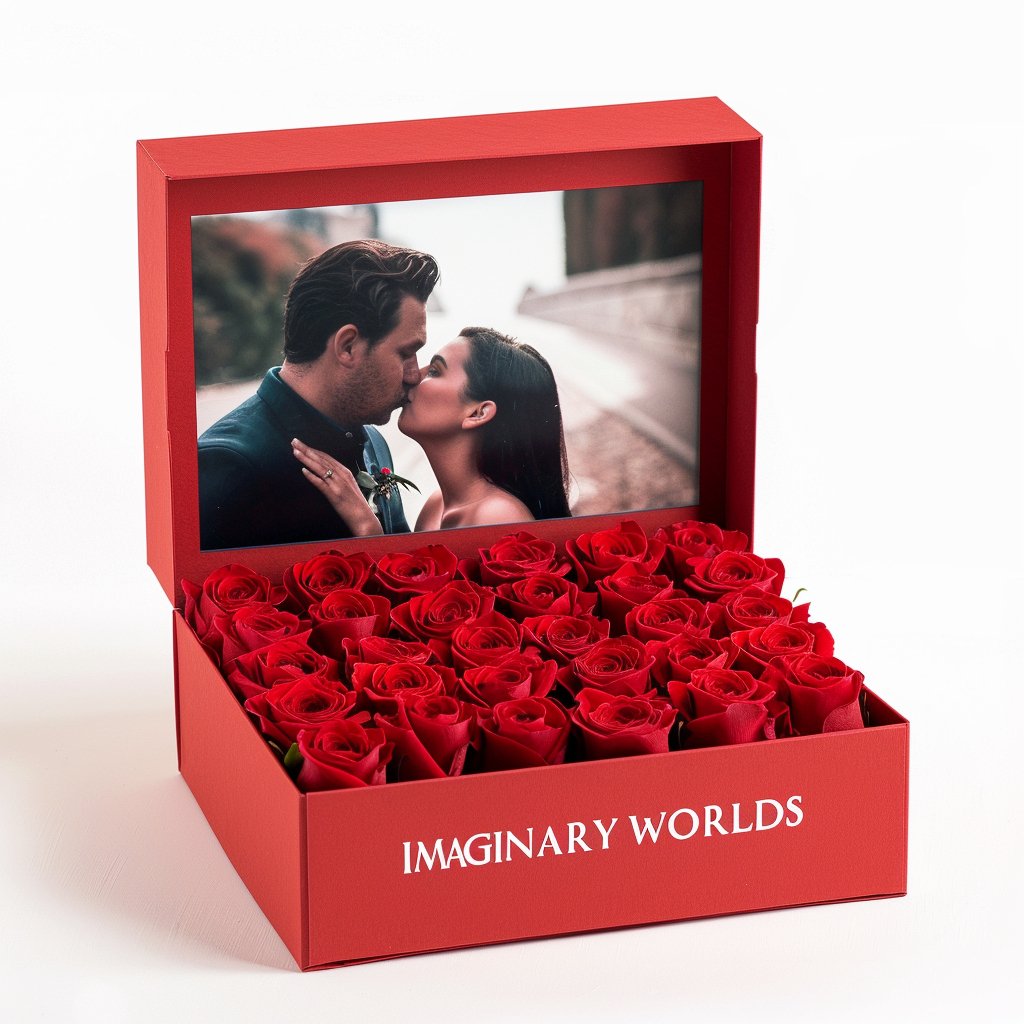
How an object becomes meaningful through attention, memory, symbolism, and the life it enters after giving.
By Imaginary Worlds Editorial
Gifting · The IW Journal
A modern emotional gift is an object chosen to carry a specific relationship, memory, value, or transition. Its meaning does not come automatically from price, permanence, luxury language, or the word personalized. It comes from evidence that the giver has paid attention to the recipient.
The strongest gifts often perform two actions at once: they recognize something that has already happened and make a place for it in the recipient's future life.
Meaning begins with recognition
Recognition can be practical or symbolic. It may acknowledge a private achievement, a shared joke, a person who is absent, a new home, a difficult year, or a relationship that has changed. The object matters because it makes that recognition visible.
Generic emotional language weakens this work. ‘For someone special’ says less than a date, photograph, color, material, place, or sentence that only the recipient fully understands.
Five elements of an emotional object
Specificity
The gift refers to a real person, memory, value, or event rather than a broad demographic label.
Recipient knowledge
Taste, boundaries, space, culture, and current circumstances guide the choice.
Symbolism
Color, number, flower, shape, or material adds a readable layer without demanding one universal meaning.
Use or presence
The object has a credible place in daily life, ritual, display, or private keeping.
Timing
The moment of giving supports the message rather than serving a retail calendar alone.
Personalization is editing
Adding a name to any object is customization, but it is not necessarily meaningful personalization. Personalization is closer to editing: choosing which image, words, color, date, and degree of visibility belong together—and which should be left out.
A photograph may be intimate enough without a public inscription. A private message may matter more than a large symbol. Restraint can protect meaning from becoming spectacle.
Personal memory preserved with roses
Memory made physical
Digital photographs and messages are abundant but often dispersed across devices. A physical object can concentrate attention by selecting one image or moment and placing it in a stable context. That does not make physical media superior; it gives memory a different mode of encounter.
Preserved roses are suited to this role when duration is part of the message. Their changed material life can echo remembrance, but the flower should support the memory rather than replace it with generic romance.
Symbols without fixed promises
Rose colors, angel numbers, initials, and repeated forms can create a private symbolic vocabulary. Red may signal devotion, yellow friendship, 111 a beginning, or 222 cooperation—but these are contemporary interpretations, not guarantees or universal facts.
A short explanation can make the symbol generous rather than cryptic. The recipient should not have to accept a spiritual system, romantic assumption, or culturally unfamiliar code in order to appreciate the gift.
Meaningful occasions beyond the calendar
Birthdays and anniversaries can be meaningful, but emotional gifts do not need to follow a list of retail occasions. They can mark recovery, migration, retirement, reconciliation already chosen by both people, creative courage, or the completion of quiet work that received little public attention.
The occasion also determines whether an object is welcome. During grief or transition, practical support and presence may matter more than a permanent keepsake. Asking or consulting someone close to the recipient can be more caring than preserving surprise.
The ethics of lasting gifts
A lasting object creates responsibility for space, storage, care, and eventual disposal. Before choosing one, consider whether the recipient enjoys display objects, has room, and wants the memory made visible. Personal photographs and inscriptions also involve privacy.
Longevity should not become emotional pressure. A gift can honor a relationship without obliging someone to display it forever. Good design allows the object to be kept privately, moved, closed, or integrated naturally into a home.
The most emotional gift is not the one that says the most. It is the one that notices most accurately.
The Memory Collection
The Memory Collection brings preserved roses, photographs, and dedications into one composed object. Its purpose is strongest when each element has a reason to be present: the flower for duration, the image for specificity, the box for protection and return.
What the current media still cannot fully show is the human exchange. Future photography should follow the gift before, during, and after giving: the giver selecting an image, the recipient encountering it, and the object later living quietly in a real room. Those moments would demonstrate emotional value more credibly than another isolated product view.